Move with grace & ease as you once had as a child.
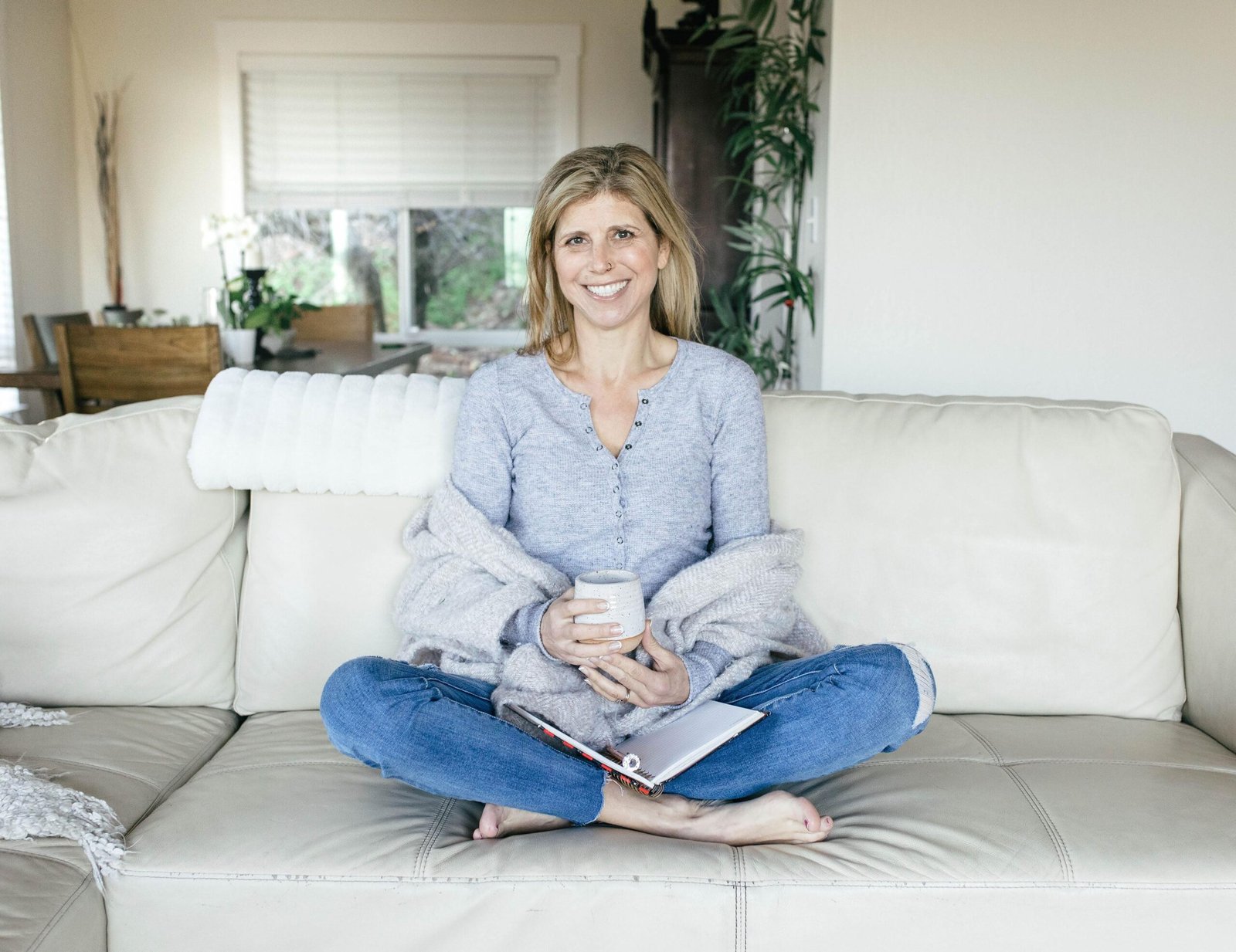
Hi I'm Shara
I have a unique ability—and that is to get people out of pain…often long-standing chronic pain.
After more than 25 years in the medical field—as an Occupational Therapist, Ergonomist, and Feldenkrais Practitioner®—and over three decades of personal growth work with world-class teachers, I bring a holistic, full-body approach to healing.
I also offer office ergonomic consultations, mind/body retreats, and advanced training courses for medical professionals.
What to Expect in a Session
Prepare to be whisked away to a state of deep relaxation — even bliss — as you lie on my bodywork table. I provide a subtle, skilled touch that communicates directly with your subconscious and invites your nervous system to let go of the stress and tension it’s been holding.
As the body releases these habitual holding patterns, breath naturally fills the space. Pain subsides. You’ll likely notice immediate changes in how you walk, stand, and feel — lighter, more aligned, grounded, and at peace.
Enjoy a FREE 25-minute Feldenkrais Lesson to start your Journey!
Enjoy Retreats & Get-a-ways Restore your mind & body to a state of inner peace and alignment.
All of our emotions and life experiences are stored in our bodies at a cellular level. My work as a holistic practitioner goes deep into the root of issues. In addition to healing and realigning the physical body, my method also releases stored hurts and traumas that your body is holding onto at a visceral level.
For select clients In addition to my manual therapy, I do offer personal coaching, inner-child belief change work, as well as family systems work. These methods will release ancestral trauma and reprogram your limiting beliefs and behaviors that prevent you from reaching your goals and dreams.
I have found when we address the issues from the doorway of both the physical as well as the mental (and spiritual), the results are beyond profound.